
How to Plan Your Wedding Day Timeline starts with confirming your ceremony time, venue access and vendor schedules. Picture a 4:00 p.m. ceremony: before choosing a dinner time, you need to decide where guests will go while you take photos.
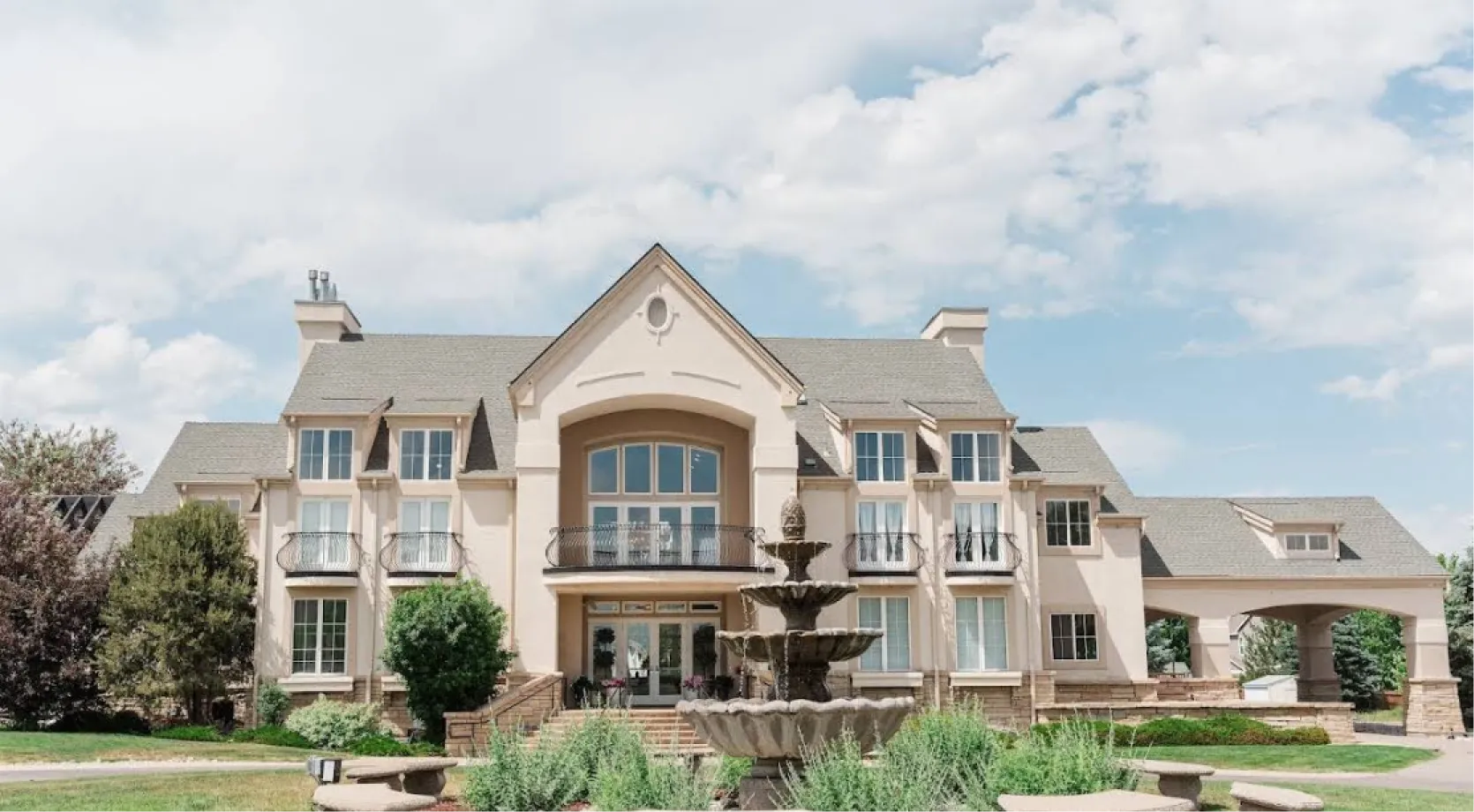
At Chateaux At Fox Meadows, we encourage you to build around those connections. Use this example to shape your celebration, then confirm the details with your team. For earlier decisions, our wedding planning timeline for the months ahead covers the broader planning process.
Confirm the times your schedule must work around
Ceremony, venue access and departure deadlines
Start with the boundaries. Ask your venue to confirm when vendors may arrive, when guests may enter and when everyone must leave. Record setup access separately from the ceremony start.
Then distinguish the end of your celebration from final clearance. Your send-off, guest departure, rental collection and vendor load-out need separate entries, even if some activities overlap.
Use our questions to ask your wedding venue to prepare for that conversation. Check your signed arrangements with the venue team, including which spaces you may use and any deadlines affecting music, service or cleanup.
Vendor availability and your priorities
Ask each vendor for the time their work requires and the conditions they need before starting. Your caterer should review meal timing; your photographer should assess the portrait list and coverage window.
Choose what matters most to you as a couple. Would you rather join cocktail hour or reserve that time for portraits?
Write those preferences beside your fixed times. Then ask your team to flag conflicts before you add optional activities. Include earlier preparations only where they affect ceremony readiness, such as finishing portraits or getting the wedding party into position.
Sample wedding day timeline: ceremony to send-off
Illustrative assumptions: This example starts with a hypothetical 4:00 p.m. ceremony and assumes the ceremony and reception share one venue. Roles are suggested assignments, subject to agreement. Later clock times depend on confirmed durations; this is not a venue-approved schedule or a statement of availability at The Chateaux.
| Time | Event | Responsible role | Dependency | Confirmation needed |
|---|---|---|---|---|
| 4:00 p.m., illustrative | Ceremony | Officiant and ceremony cue lead | Participants ready; guests seated | Ceremony length and start cue |
| After the recessional | Guest transition | Assigned guest guide | Cocktail area ready | Route, assistance and space access |
| During cocktail hour | Refreshments and photos, simultaneous | Catering lead and photographer | Service ready; photo group gathered | Service duration and portrait list |
| After photos and seating | Reception entrance | Emcee and designated coordinator | Couple ready; guests seated | Entrance order and music |
| At the caterer’s agreed time | Dinner | Catering lead | Meal and service team ready | Serving sequence and duration |
| At an agreed service break | Toasts | Emcee and speakers | Catering lead approves the cue | Speaker order and allotted time |
| After toasts in this example | Optional formal dances | DJ or bandleader | Couple and participants ready | Selected dances and songs |
| After formal events | Open dancing | DJ or bandleader | Dance floor ready | Music end time and interruptions |
| Before the departure sequence | Final dance | DJ or bandleader | Departure team ready | Song and announcement |
| After the final dance | Optional send-off and guest departure | Designated coordinator and transport lead | Exit route and transport ready | Venue permission and departure deadline |
| During the agreed clearance window | Vendor load-out | Each vendor’s named lead | Venue authorizes breakdown | Collection arrangements and final clearance deadline |
Ceremony and guest transition
Ask your officiant to work through the ceremony with you, including readings, music and any cultural or religious elements. Build the duration around that plan. Avoid borrowing a ceremony length that leaves out something meaningful to you.
Our ways to personalize your ceremony can help you choose those details before confirming the schedule.
Plan the first handoff, too. Who tells guests where to go after the recessional? Who asks immediate family to remain for photographs?
Give those responsibilities to named people and share the instructions beforehand. Include a route for anyone who needs assistance, and confirm that the next space will be ready before guests move.
Cocktail hour and photos
In this example, guest refreshments and portraits happen at the same time. Treat them as two connected schedules.
Give your photographer a specific group list, then ask someone familiar with those guests to help gather them. Tell everyone needed for photographs where to wait. Before scheduling an extended portrait session, confirm what guests will be doing throughout it.
Choose wedding cocktail hour ideas that fit the available space and service plan. If joining your guests matters to you, reserve part of this interval for that purpose and discuss which photographs could happen earlier.
Finish with a clear cue for moving guests toward dinner.
Dinner, toasts and dancing
Agree on your wedding reception order of events with the caterer and emcee together. Ask the catering lead where announcements and speeches fit around the planned meal service.
For this example, use entrance, dinner, toasts, optional formal dances and open dancing. Change that order to suit your celebration after checking the practical effects with your vendors.
Give speakers an agreed time allowance and tell the emcee who introduces each person. Confirm microphone arrangements before the day.
As you consider wedding reception ideas, give every activity a place in the schedule. If you want cake cutting or a performance, identify its setup needs and cue. Keep optional traditions optional. You can leave more room for conversation or dancing if that better reflects your priorities.
Last dance, send-off and load-out
Work backward from the confirmed departure and clearance deadlines. Allow separate space for the final song, collecting belongings, guest movement and transportation.
A send-off is optional. Ask your venue about the proposed location and any materials before planning it, and check whether your photographer’s coverage includes that moment.
Name someone to collect personal items, cards and gifts. Give vendors their agreed breakdown window and collection instructions.
Keep the final clearance deadline visible on the vendor schedule. Do not use “send-off” as shorthand for every task still waiting at the end of the evening.
Adapt the timeline to your wedding
First look or photos after the ceremony
Decide when you want to see each other, then build the photo plan around that choice.
If you choose a first look, ask your photographer which couple, family and wedding-party portraits could happen beforehand. Check that everyone involved can be ready and that the location is available. Keep a separate list of any photographs still needed after the ceremony.
If you prefer to meet at the ceremony, reserve time afterward for your agreed portraits. Be specific about the combinations you want.
For example, a couple who wants extended-family photographs and private portraits should ask the photographer to assess both requests before fixing the reception entrance. Avoid assigning the same person to photographs and an entrance lineup at once.
Daylight, weather and travel between locations
Ask your photographer to check the light for your date and chosen portrait locations. If you want outdoor photographs later in the celebration, agree on a window and tell the catering lead and emcee when you expect to step away.
Confirm a weather alternative with your venue. Record who makes the decision, when it must be made and how vendors will hear about it.
For separate ceremony and reception locations, add transportation as its own schedule block. Ask the transport provider to account for boarding, the journey and unloading. Include parking and the route into the reception before setting an arrival announcement.
Traditions, guest needs and breathing room
Give meaningful traditions enough room. Ask the people leading them to explain the sequence, participants and setup needs before deciding where they belong.
Think through the experience of a guest who needs assistance between spaces or a parent leaving early with children. Agree on seating access, directions and departure arrangements where needed.
Then leave breathing room around transitions. Ask your vendors where extra time would be useful rather than placing one unexplained gap in the evening. Protect a moment for yourselves, too, whether that means a private pause after the ceremony or time to eat together.
Confirm and share the final schedule
Assign each cue and handoff
We recommend naming one person to manage schedule updates, with their agreement. Do not assume that a venue contact, photographer or family member has accepted that role.
For each transition, record:
- The cue owner: who checks that the next event is ready.
- A named recipient who receives the go-ahead.
- Any conditions that must be met before proceeding.
- The agreed way to communicate a change, including a backup contact.
Make handoffs concrete. For dinner, the catering lead might confirm readiness to the coordinator, who then asks the emcee to announce seating. Share names and contact details with the people who need them.
Check the plan with your venue and vendors
Send one dated version to everyone responsible for an event or transition. Ask each vendor to review their arrival, working window and departure, plus anything they need from another person.
Use this final check:
- Venue access, room use and weather arrangements confirmed.
- Photo coverage matched to the requested moments.
- Meal service and announcements reviewed together.
- Transportation, belongings and cleanup assigned.
- Guest departure distinguished from final clearance.
Once durations are agreed, turn the sequence into your hour-by-hour wedding schedule. Share a shorter version with the wedding party showing only their arrival times, locations and responsibilities. Replace older copies whenever you make a change.
Wedding day timeline questions
How much time should we allow between events?
Ask the vendor responsible for each activity to estimate its duration, then confirm the transition with whoever handles the next event. Include gathering people, moving between spaces and getting into position rather than counting only the activity itself. For example, ask your photographer to account for assembling family groups as well as taking their portraits. Add breathing room where your team identifies a likely pinch point, and keep those allowances visible when reviewing the schedule.
When should we finalize our timeline?
Set a final review date with your venue and vendors, using their planning deadlines and your signed arrangements as the starting point. Before that review, settle the ceremony sequence, meal plan, photo list and optional traditions so the team can assess a specific schedule. Send the agreed version with its date and one contact for changes. If something changes afterward, ask affected vendors to acknowledge the revision rather than assuming they have seen it.
What should we do if the day runs late?
Ask your designated schedule lead to check with affected vendors before moving the next event. Protect confirmed service requirements and departure deadlines, then adjust flexible elements according to priorities you agreed beforehand. You might shorten an optional activity or move a photo opportunity, but confirm that the people involved can accommodate the change. Let your emcee communicate guest-facing updates while the schedule lead coordinates the details, so you can stay present for your celebration.
Bring your draft timeline to your venue team
Bring your ceremony-to-send-off timeline, vendor details and remaining questions to your venue conversation. Planning your celebration at The Chateaux? Request information or book a private tour to discuss your plans with our team and confirm the next steps.